Car Washing in Australia with Dust and Red Dirt?
How to Clean Cars in Australia with Dust and Red Dirt? In Australia, unless it is raining and pouring sky high, washing your vehicle would entail a simple step, that is ”rinse first, wash soft and never rub dry encrusted black dirt.’ All sort of dust like dust, pollen, red dirt and grime from the road can all scratch the clear coat of a car when rubbed across the surface using a dry cloth or dirty sponge.
My name is Grace Maris. After having gone through several inland drives from Brisbane towards the Scenic Rim, I learnt that a quick wash can easily transform into a too larger job when a car is covered with so much fine dust. The safest way of requesting for a wash is under cool shade, using a pre-rinse, pH-neutral car shampoo, an additional wash mitt and clean drying towel.
Know About the Australian Dirt First

Understanding different contaminants requires different approaches. In Australia, dust, which appears to be harmless to the touch, in fact may contain gritty mineral particles. Red dirt tends to stick easily and find its way into crevices, badges, rubber seals and arches after travelling long distance along dirt.
Moreover, pollen tends to behave differently. It can simply sit on the surface looking powdery or sticky in case the dew or rain touches the surface. What most people fail to understand is that method of cleaning matters more than what type of soap has been use in the wash bucket. For streak-free car window cleaning, technique matters.
Dust Can Actually Scratch the Paint
Dust itself does not actually scratch the paint simply because it is housed there but scratching happens when those got pushed away by some means across the surface. A feather duster on heavily soiled paint or dry wiping increases chances of scratching or damaging paint.
Clear coat is simply the thin protective layer found above the color coat in the car. A surface prone to scratches begins accumulating fine swirls and eventually looks dull under the sun. Preventing scratches starts before the first wash mitt touches the car.
Importance of Weather Conditions
In northern regions of the Australian continent, the wet season creates sticky mud but the dry season creates dry powder on cars. On the other hand, in red centre, red dirt settles in all crevices after just a single trip along unsealed tracks.
In addition, summer heats are sometimes severe and storms occur suddenly. That is why, as first step in the entire process it is important to check the AUSTRALIAN CLIMATE information from the bureau of meteorology.
Preparation of the Car
Effective preparation removes the abrasive material before the contact. Park on stable surface so that dust particles do not get on the freshly washed surface. The best practice, is closing all windows, in this case dust particles do not enter the interior of the car.
Do not use a household soap to wash your car. It is not a good idea to use dishwashing detergent as a standard car wash soap because it can remove protective products faster and may leave dry paint. Avoid using old rags, kitchen sponges and any brushes that might have already been used for washing the wheels.
Washing a Dusty Car

The best way to wash a very dusty car is getting rid of as much loose material as possible before actually touching the surface. Begin washing from the roof and progress downwards, thus letting the dirty water flow down instead of back onto clean panels.
Be cautious when using a pressure washer. Constantly keep the nozzle of the washer moving, do not try to force water through seals and electrical appliances, and maintain the equipment manufacturer’s stated safe distance. The high pressure is great for getting grime loose, not for checking how close the washer can get to the paint.
Begin Washing with a Pre-Rinse
Pre-rinse the entire car from top to bottom. Pay special attention to the roof, bonnet, rear hatch, number plate zone, mirrors, lower doors and sills. These zones can easily collect enough grime.
Squirt heavily soiled areas with running water for a longer period of time. A few more minutes rinsing can prevent many minutes of excessive scrubbing.
Use the Two-Bucket Method
Use one bucket of diluted pH neutral car shampoo and an additional bucket of pure rinse water. Douse the microfibre wash mitt in the shampoo, wash a small area, and rinse the mitt thoroughly before coming into contact with the shampoo again.
Work from the cleaned panels to the dirty ones: roof, windows, bonnet, upper doors, lower doors, rear panel, and eventually wheels. Never drop it and reuse it; this is how driveway grit becomes a souvenir of paintwork.
- Clean the wheels and tyres with separate tools.
- Wash the roof and glass.
- Wash upper body panels.
- Wash lower body panels and rear zone.
- Rinse from top to bottom.
- Dry immediately with a cleaning towel.
Getting Rid of Red Dirt Without Damage
If you are wondering how to clean red dirt off a car, the answer is – do not apply too much pressure. Keep the dirt moist and rinse all loose particles away using lubrication from car shampoo.
Red dirt often hides behind door handles, inside fuel filler doors and on the rubber seals. Use a soft detailing brush ONLY after rinsing the area. Be careful around badges and trim because dried mud can easily act as some fine sandpaper.
Dealing With Stubborn Residue
Soak the clearly visible dried red dirt areas with clean water and shampoo solution. If necessary, repeat this step rather than rubbing it off with your nail, scour or dry towel.
If, after washing and wet drying, the paint still feels rough, it may mean bonded contamination remains. A clay bar can help, but you need to use it with a lubricant and light pressure. Do not use the clay bar on a completely dry panel, and do not continue using it after it has collected some visible grit.
Get it Dry Before Getting Water Spots
Water spots are left behind when water evaporates, and minerals are left behind. The traces are especially visible on darker colors and become very difficult to clean the longer you let them sit after hot weather.
Make sure to use a clean drying towel and either blot or wipe the towel lightly over the surface. Do not rub the towel on a still gritty feeling panel, and if using hard water make sure to dry a smaller area sooner and rinse the towel often.
Remove Pollen From Paint Work
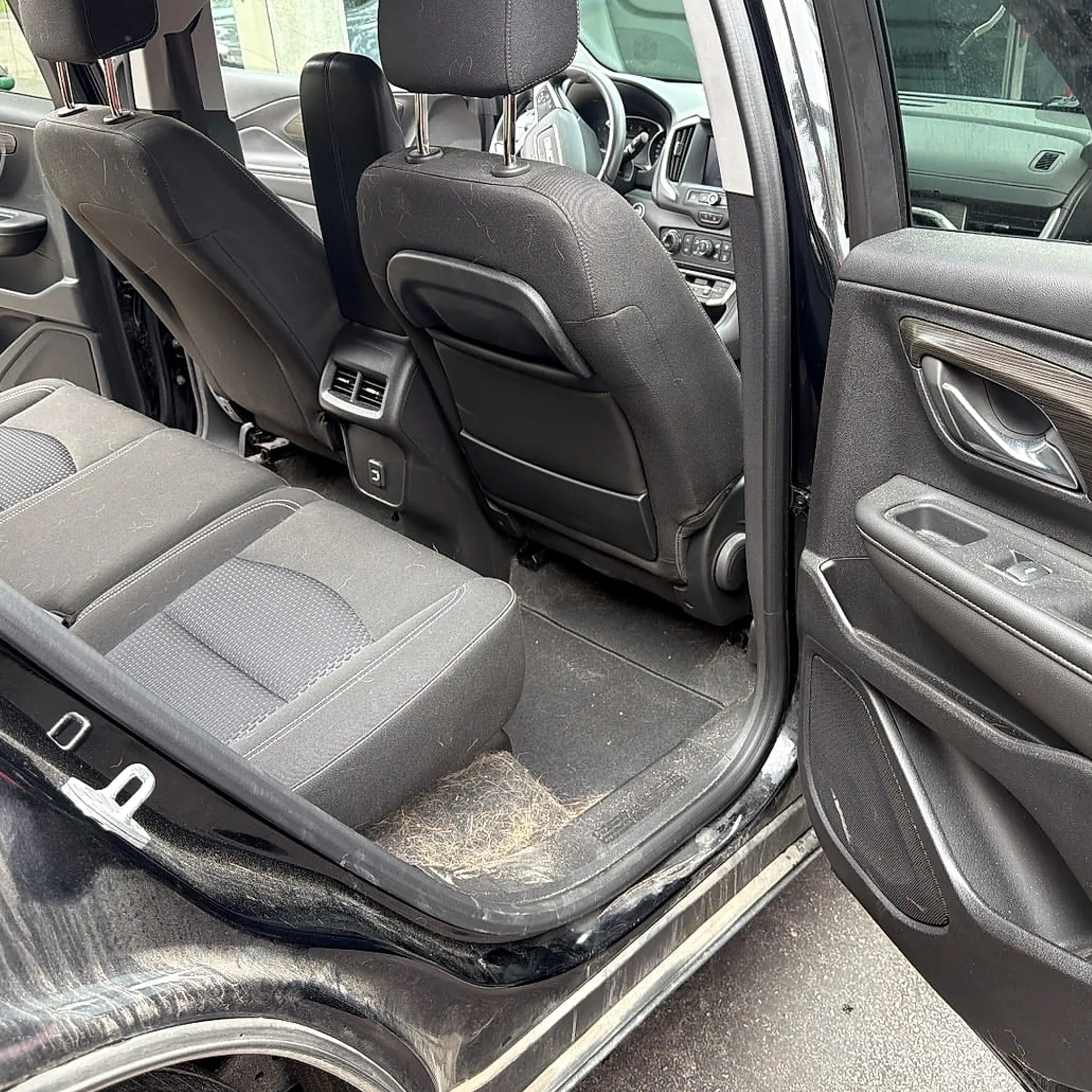
When you want to learn how to pull pollen off of a car, first think of it as loose dust that needs removing instead of a stain. Start with a simple rinse but do not wipe any pollen on a dry surface. Once mixed with any moisture, pollen becomes sticky and attaches to the clear coat.
In fact, many people get it wrong once they see yellow or green powder on the bonnet and just automatically reach for a dry cloth. The residue gets spread this way and can cause really fine scratches often seen on black or dark blue cars.
Utilize Soft, Wet Contact
Begin with rinsing pollen from the highest surfaces first. If it leaves a film, apply lubricant shampoo to a clean microfibre wash mitt and do a single light pass, thoroughly rinse the mitt and visually inspect the area before repeating.
Leaf blowers should be avoided near busy streets or dusty driveways. In spite of their ability to blow pollen off the vehicle, they can lift up dirt etc. from the surface and put it right back on the vehicle paint.
Cleaning Wheels and Tyre
Wheels are known to collect road grime and brake dust, so a different procedure should be followed. Road grime and brake dust can have sharp particles and a brush used on wheels can damage paint.
Make sure to cool down hotter wheels, otherwise, cleaner may dry very fast on warm surfaces and leave spots. Check the information to see that the wheel cleaner can be used on painted, clear coated, chrome, or alloy finish.
| Area | Best Way | Common Mistake |
|---|---|---|
| Alloy wheels | Cool, wash thoroughly, apply the wheel cleaner, agitate slightly, then rinse | Just using an acidic product without reading the whole information |
| Tyre | Clean with tyre cleaner and a dedicated brush, then rinse | Not thoroughly rinsing the product, allowing it to dry on the sidewall |
| Wheel Arch | Wash thoroughly and use the brush for the packed earth carefully | Using the wash mitt in muddy regions |
| Cleaning Rubber Seals | Wash thoroughly, then wipe carefully for particles | Scrubbing with dirt dry into the rubber |
Freshening Up Dust Interior
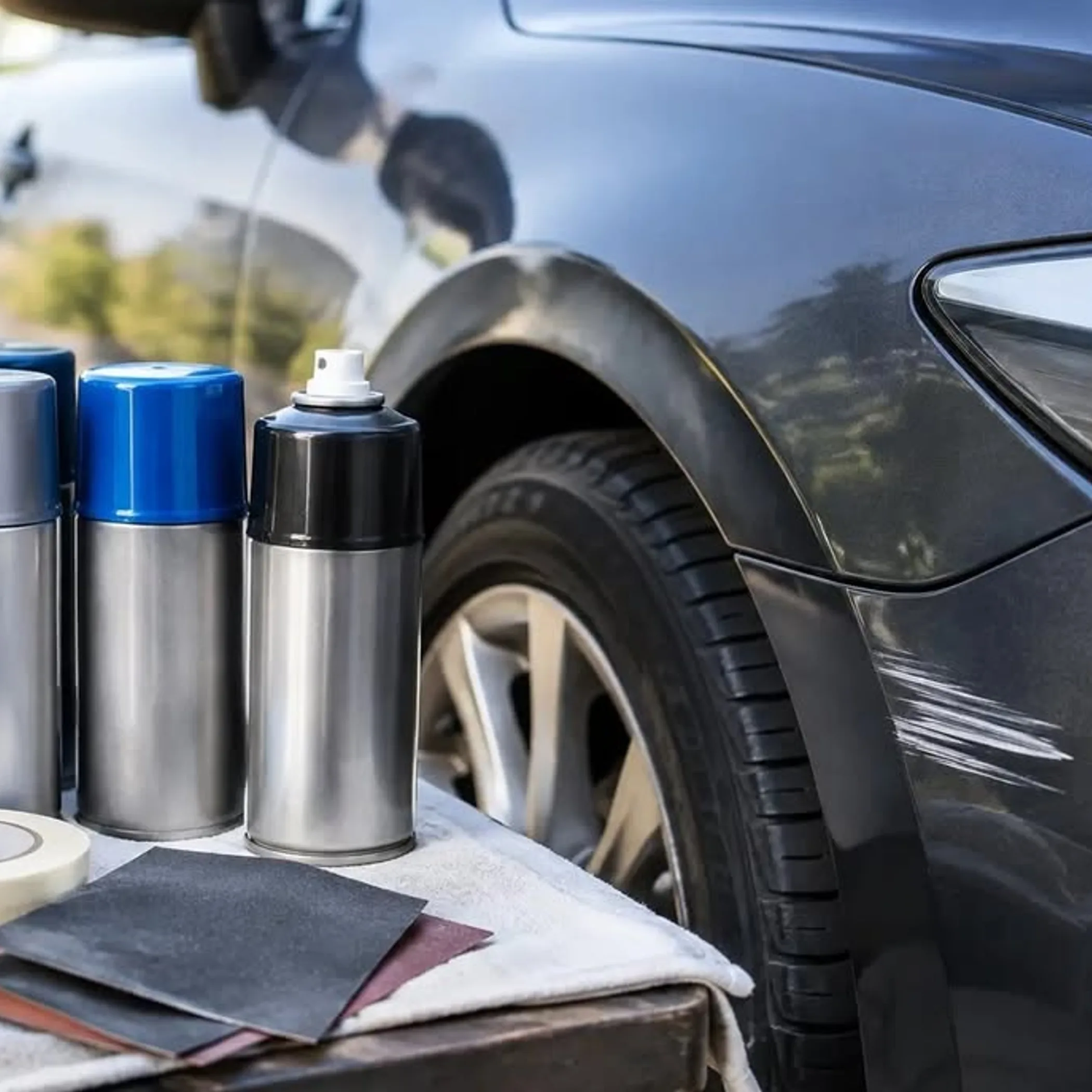
Dusty dirt goes from the outside into the inside of your car. It is very important to vacuum the inside after washing the exterior, otherwise you may carry dirt right into the interior.
Lower the door in a calm place and remove the mat. Do not shake the mat near the exterior wash.
Vacuuming Cabin Properly
When vacuum cleaning use an appropriate vacuum, use a less powerful hose for air vent areas, and avoid forcing dirt deeper.
Clean the inside surfaces with a damp microfibre cloth, but do not splash the keyboards or switches.
Make the Windows Clear
In order to successfully clear a car windshield, it is very important to know both right windows cleaner and what to use for cleaning purpose. Heat resistant car/window cleaner should be used as the windows should not be splashed as well.
Clean one half of the window, rotate the cloth, and clean the other part, hence economizing cleaning solution.
Washing Method
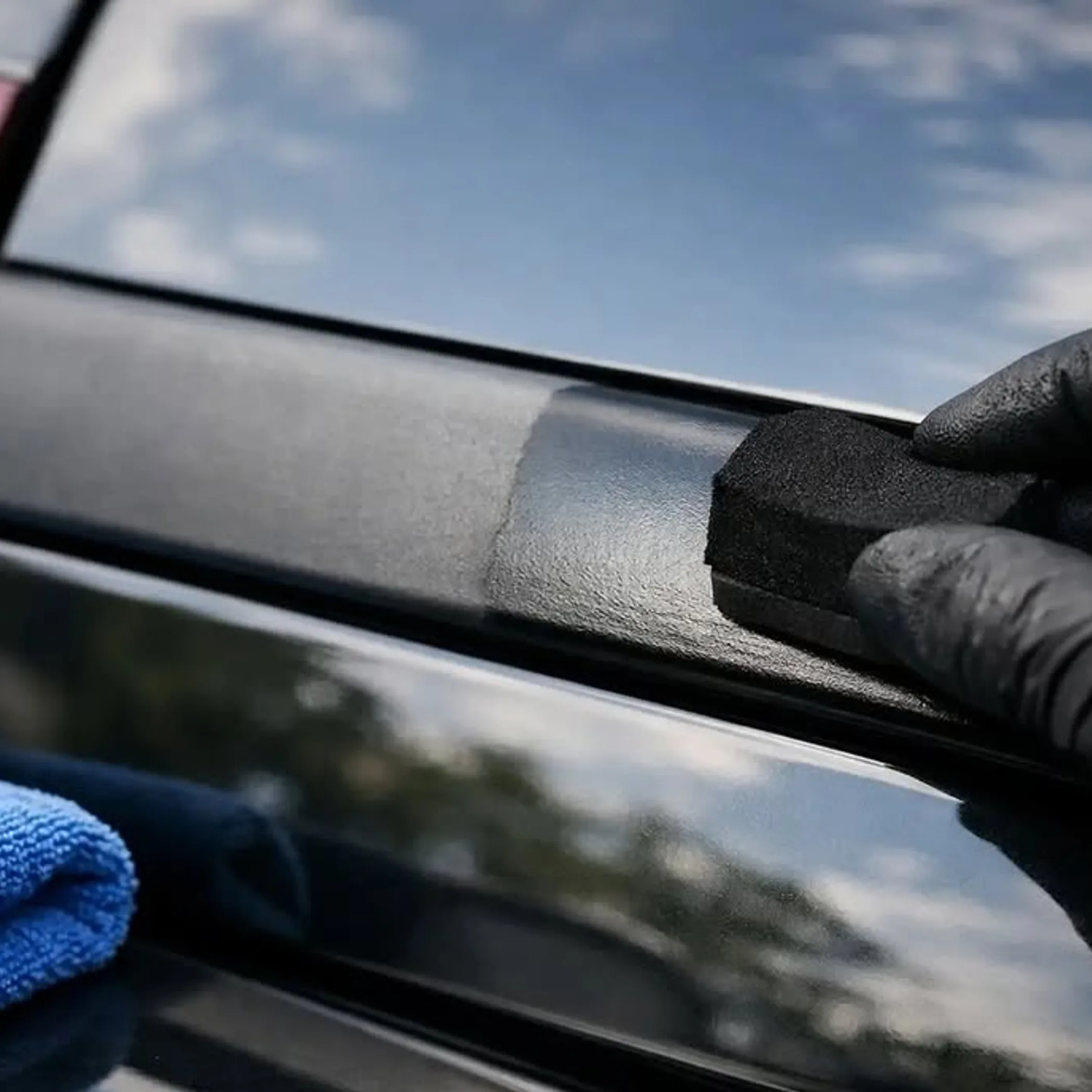
If your vehicle is parked outside, ensure that you remove any fresh bird droppings, tree sap, and pollen at the earliest opportunity by using water and lubrication instead of just wiping it off dry.
Having a ceramic coating can make cleaning easier in the future but it doesn’t mean that the paint will not get scratched. Coated cars still need careful washing, proper shampoo, and careful drying. So think of it as a helpful raincoat and not some magical armor.
For city driving, check the vehicle weekly and wash when dust or pollen is being built up around the car. If you have been on an unsealed-road trip like along a track near the Pilbara or Red Centre, wash your car underside and the wheel arches when it is possible.
If you have only one day for washing the car, do the pre-rinse, deal with wheels, wash bottom paintwork, deal with the glass, and dry it after that. This is because these areas have a lot of visible dirt which means there is a bigger chance to rub grit on the paint.
People who necessarily shouldn’t wash outside are those who are under lightning conditions, strong wind, bushfire smoke, and extreme heat. In those situations, it may be safer and easier to go to a professional washing bay. Always obey local water-use rules, especially during drought or bushfire.
FAQs
How Do You Remove Red Dirt From A Car?
Rinse your car and keep the dirt wet. Use pH-neutral car shampoo and a clean microfiber wash mitt. Always start washing a car from the roof. You should also never rub down dried red dirt from the paint when dry.
How Do You Clean Pollen Off A Car?
Make sure to do at least a gentle pre-rinse before any contact with the surface. After washing it with pH-neutral car shampoo, if there is any leftover, use a moisturizer. Also, remember not to use a dry-to-touch towel, or you can rub pollen and dirt on the clear coat.
What Is The Most Efficient Way To Wash A Very Dusty Car?
Park your vehicle in shade, rinse it from the top down, and use the two-bucket method. Make sure that you rinse the mitt regularly.
Can Dust Scratch Car Paint?
Yes. Dust can scratch paint when there are abrasive particles and you rub them off with something. However, a thorough pre-rinse, clean mitt, and a gentle drying method help to minimize this risk.
How Do You Clean Car Windows Without Streaks?
Use glass cleaner for cool glass. When using it, use the same cloth to apply the product and a separate dry cloth to buff it.
Should You Rinse A Dusty Car Before Washing It?
Yes. Rinsing will help to remove dust, pollen and dirt from the surface before the mitt touches the surface.
Make The Next Wash Easier
The safest way to wash an Australian car is easy: rinse first, use clean tools, wash from the top down, and dry before the water evaporates. Don’t forget to separate wheels, tyres, seals, glasses, and all other segments.
