Hot Water Systems of the Highest Efficiency
As a rule of thumb the heat pump is the most energy-efficient hot water system to be found across Australia, assuming it is powered by solar PV or cheaper electricity. In sunnier parts of the country a solar system will put up a good showing. Then there are electric storage and gas models that have their place in homes where one is constrained by budget, space or the type of connection available.
I am Grace Maris and I can attest from experience that the lowest quote does not necessarily make for the cheapest result. When I had to contend with a hot water heater on the fritz at my skin therapy studio in Brisbane I was reminded of that. On occasion you will find a bargain system is little more than a cold shower with a price tag attached.
In this guide we cover the energy efficiency of the hot water systems Australia has to offer, from what it will cost to run them and installation issues to government rebates and ways of curbing household energy use.
What is an Efficient System?
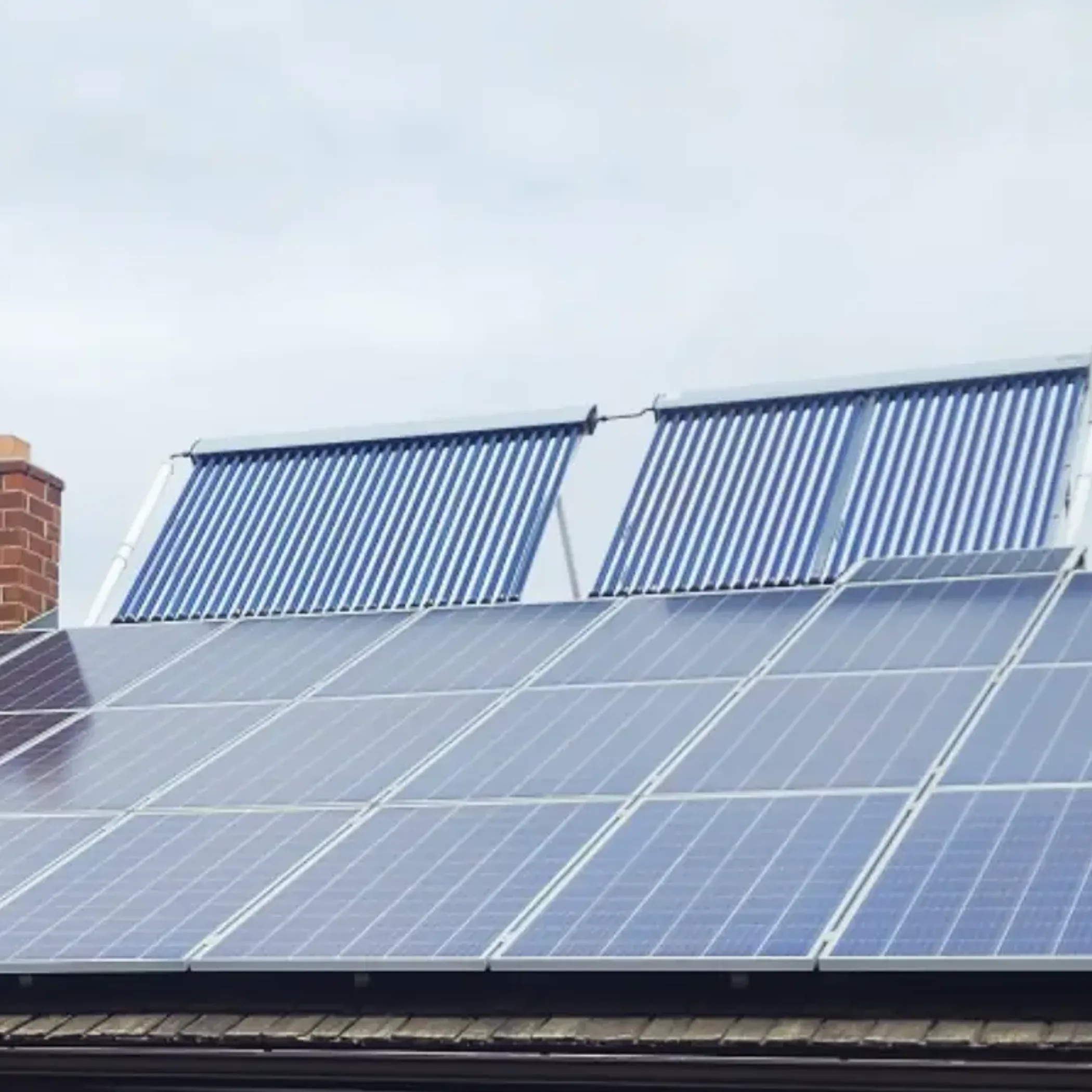
Put simply an efficient system puts less purchased energy into heating the water and lets off less heat en route to the tap. One has to factor in the pipes, including thermal lagging for pipes, the climate, how the household uses water and the size of the tank as much as the source of the energy.
It is not just the unit. A system that is properly sized and insulated with the right controls will do better than one that is technically efficient but oversized or badly installed, or one that has to operate in peak electricity times.
Do Not Be Led By Star Ratings Alone
While an energy-efficiency star rating is of some use in pitting eligible appliances against each other, it is not the whole picture. You would be wise to enquire as to the warranty, maintenance, recovery time, heat losses and what performance you can expect from the system in your particular climate. The Australian Government’s Energy Rating guidance is a good way to get to grips with the labels and minimum standards for Australian appliances. But then again, the quality of the installation is of great import.
Household Hot Water Consumption
Water heating accounts for about a fifth of a home’s energy consumption according to Australian government figures, though the precise proportion will differ according to the system in place and local habits. One person with a water-saving head in the shower is not going to put through the same energy as a family of long, hot showerers. And a home in Hobart has different requirements in winter with the cold mains water coming in than a Brisbane one.
Then there is the matter of demand. No amount of efficiency will make up for it. Set the thermostat high, have a few long showers and a large bath or two and the energy use goes up. Add in a leaking tap or the plumbing in the shower and the bill will reflect it.
When I was running my studio the system was put to work all day to provide the staff and clients with something reliable. It was not only the electricity bill that was a shock; it was the rapid decline in performance on the busy days when the system was not up to the task.
A Matter of Type
There is a choice to be made between heat pump, solar, continuous flow, gas and electric storage hot water systems. They vary in climate suitability, the room they take up and the balance of running versus purchase price.
You should not assume the system with the lowest running costs is the one with the lowest sticker price. Once you factor in any rebates, maintenance, the need for new electrical or plumbing work and so on, the equation changes.
| System type | Energy performance | Best suited to | Key watch-out |
|---|---|---|---|
| Heat pump | Very high in many homes | Where there is access to electricity and outdoor space | Upfront cost, noise and how it fares in the cold |
| Solar hot water | Very high if the sun is there | Sunny homes with roof or ground to spare | Backup energy on a cloudy day |
| Electric storage | Moderate at best | A simple replacement or tight budget | Peak prices and standing heat loss |
| Gas/continuous flow | Variable | If you have gas and not much room to store | Emissions, the cost of connection and gas itself |
The Case for Heat Pumps
For a lot of households a heat pump is the most energy-efficient option in Australia. It works by taking heat out of the air and putting it in the water instead of making it with an electric element. Where there is controlled use of electricity or solar PV it is hard to beat. As a general thing it will use less power than a conventional electric storage system to meet the same demand. Off-peak electricity is an option for them as well, so long as the controls are in keeping with the tariff and the way the household is run.
Space And Noise Considerations
The outdoor unit of a heat pump requires good airflow. There is a certain mechanical hum to be expected, which can be an irritation if put next to a bedroom window or a neighbour’s fence, or where one might like to entertain in peace. Put some questions to the installer on matters of clearance, vibration, condensate drainage and ease of access for any maintenance.
Very cold weather will see a drop in performance or longer heating times from a heat pump. It is not unsuitable for such climates, but it does put a premium on getting the sizing right and on the experience of the local installer.
There Is Still Merit In Solar Hot Water
With roof collectors and an electric or gas booster to see one through cloudy days and times of heavy use, a solar hot water system has much to offer. Where the sun is plentiful and the roof is unshaded and well oriented, the savings in hot water energy are considerable.
This is not the same as running a heat pump or electric storage off solar PV. The latter makes electricity for the home’s appliances, the former heats the water straight off the thermal collector. Either can be done effectively; what is preferable will come down to how much roof there is, what the household needs and if one has solar PV in place already.
One Must Factor In Weather And The Roof
Performance of a solar hot water set up is at the mercy of the roof pitch, shading and seasonal sun. A system that is fine in summer may call for more from the booster in winter or when the rain is persistent.
Before making a purchase, have a look at the roof and the pipes, and think about how one would get at the system for maintenance down the line. A new roof can throw a spanner in the works for a solar thermal system, so the age of the existing one should be taken into account before going ahead with a major installation.
Electric Versus Gas
For its familiarity and the fact it is easy to put in, electric storage is still the norm. With a controlled-load tariff or solar PV it can be economical to run, though the standing heat losses are something to bear in mind.
Then there is the question of efficiency. A heat pump is a far better electric system than the conventional resistive tank. An ordinary element will make heat at the point of use but it takes a lot more electricity to do it.
Do Not Count On Gas Being Cheaper
Homes with a dependable gas connection may find a gas system to their liking for the speed of heating and the continuous flow it offers without the need for a big tank, which is handy in a tight space or when demand is all day.
Running costs are a matter of the network charges, the tariff and the appliance itself. And since gas is a source of greenhouse emissions, it is not necessarily the answer for those wanting to be more compatible with solar PV or to keep emissions down over the long term.
What Suits Your Household
Let the size and demands of the home dictate the system, not the model the salesperson is fond of. A five-person family will be hard put to it with a one-person unit, and a small household will be wasting energy with an oversized tank.
Give some thought to the bathrooms, how many are in the shower at once, the kitchen and laundry, the hours of the day the hot water is called for and the room available outside.
A Checklist For The Buyer
- Get clear on the tank capacity you will require given the peak demand and household numbers.
- Find out if a controlled-load tariff, off-peak rates or solar PV is on the table.
- Take measurements of the roof, drainage and any outdoor clearances.
- Have the installer provide a breakdown of the costs, including plumbing, electricals and disposal.
- Warranties, noise, service life and what is entailed in maintenance should be compared.
- See what government rebates are on offer for hot water systems prior to putting pen to paper.
Do not take it for granted an advertised rebate is yours by right; eligibility turns on the property type, the product, the date of installation and where you are in the country. An installer can put in the paperwork for Small-scale Technology Certificates to bring the price of an eligible system down, but the value is not fixed.
Rebates And The Cost Of Running
When it comes to an efficient hot water system there is the cost of buying and installing it and then the ongoing outlay for energy and upkeep. You may pay more at the outset for a heat pump or solar system over electric storage, but the lower energy use pays dividends.
Get an estimate of the annual running cost from your installer based on the local tariff and your usage. Be circumspect with what is put forward in advertising. The number of users, the climate, how long the showers go on and the temperature of the water will all have a bearing on the final figure.
Check Local Assistance
There are government rebates to be had via state and territory programmes or national certificate schemes such as the Small-scale Technology Certificates, Victorian Energy Upgrades and Climate Choices ACT. But since product requirements and the rules of eligibility are subject to change, one should check with the appropriate authority for up to date figures before putting together a budget.
For any consumer queries, CHOICE comparisons are of assistance; the YourHome website and the Australian Government Department of Climate Change, Energy, the Environment and Water have what is needed to put household energy use and technology in perspective. As for manufacturers, there is Rinnai and Stiebel Eltron among others, but do not be swayed by the logo on a brochure: make a comparison of the model, the warranty and who is doing the installation.
Improve Efficiency Without Replacing
An outright new system is not always called for. Minor adjustments will cut down on hot water demand, get it to the tap quicker and prevent heat from being lost on the way. A water-saving showerhead is about as simple an improvement as you will find. Put the washing machine on a cooler setting if you can, mend any taps that are dripping and leave the thermostat at the level the installer or manufacturer has set.
Insulate Pipes And Tanks
On long runs from the storage tank to the bathroom, insulating the hot-water pipes where they can be reached will stem the loss of heat. Properly applied thermal lagging will mean less waiting for warm water and less of it going to waste, so long as it is done in a safe manner and clear of flues, valves and the like. Safety valves and pressure-relief outlets must not be covered. Have a licensed plumber or his equivalent see to the materials and placement. Some systems may warrant an insulated tank, but stick to the manufacturer’s instructions and do not go about wrapping everything in sight as though it was a billy at a bush camp.
Installation Risks And Timing
While replacing a hot water system is normally a simple matter, site conditions can complicate things. Old wiring, corroded pipework, a steep roof, asbestos, poor drainage or a narrow side passage will put a premium on time and cost. Plan for that extra time if a heat pump is to go in a cramped courtyard or a switchboard is being upgraded, or when relocating a tank or solar system off the roof. Time the work to suit the household and enquire as to the length of the outage.
Plumbing and electrical work should be left to those with the right licences. Before the installer departs, ensure he has gone over the controls, the temperature is set right and the safety valves are within reach and the system properly commissioned.
Frequently Asked Questions
What Is The Most Efficient Heating System?
In many an Australian home the answer is a heat pump hot water system; it is the most energy-efficient because it does not generate heat with an electric element but moves it. Where the climate, roof and demands of the household are conducive and there is good solar access, a solar hot water system is just as appealing.
What Is The Cheapest System To Run?
That will be a matter of the climate, the size of the system, how much the household uses and the price of energy. Heat pumps and solar systems tend to run cheaper than conventional electric storage but then one has to factor in the initial outlay and what the installation entails.
Do Systems Use Much Electricity?
Hot water is responsible for some 20 per cent of a home’s energy consumption, give or take. A heat pump will call for less electricity than resistive storage for equal demand, and sensible scheduling and insulation will see further reductions.
What Works With Solar Panels?
Solar PV can be used by day with an electric storage system, a timer or a heat pump. It is a question of the plan, the routine and the size of the tank. One should want a configuration that makes the most of daytime generation and yet does not leave the house without hot water.
Are Gas Systems Still Suitable?
If the property has a gas connection and little room for storage, or calls for quick heating, a continuous flow or gas system could be in order. It is not to be assumed this is the least expensive or cleanest option however, so look at the tariffs, the greenhouse gas emissions and what is in store for the household in future.
Make The Practical Choice
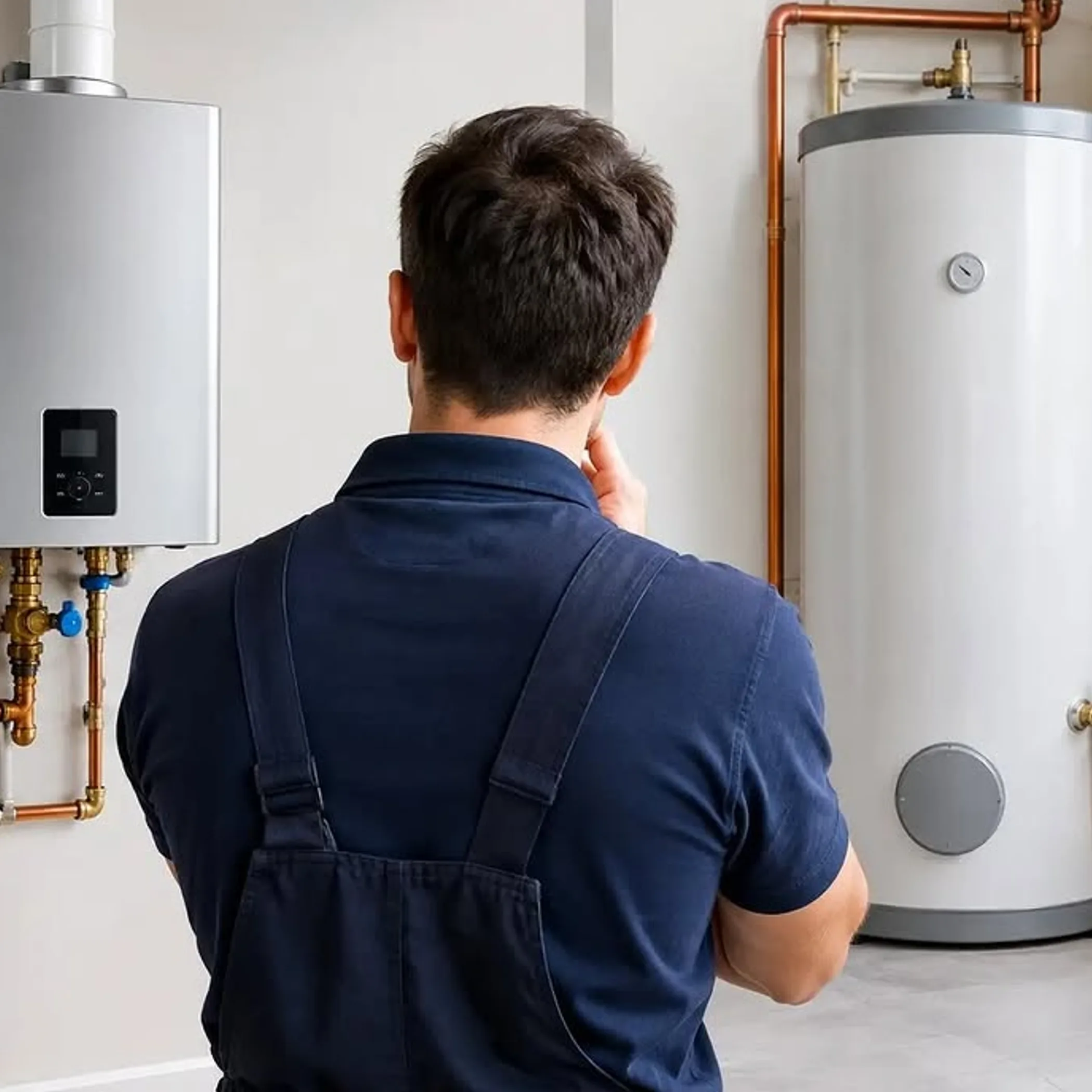
The likes of a well sized heat pump with the right controls and some solar PV if you have it would be the best an Australian household could ask for from an electric hot water system. Then again, for a home with reliable sun and roof access, solar is a fine proposition and in certain cases electric storage or gas is still justified.
Do not confine your comparison to the price of the appliance alone. Take into account the running costs, the tank capacity, the maintenance, the rebates and the quality of the installer’s handiwork. In the end you want a system that gives you plenty of hot water, is not profligate with energy and holds its own when the weather gets rough as guts.
