Before you make it to the park, put in some time to organise your walks, a park pass, where you will be sleeping and how you will get there. And pack with an eye to the red dust, the heat of the day, cool mornings and the fact that mobile reception is not what it should be. While two full days is the minimum for most, three is better if you want to take in both Uluru and Kata Tjuṯa at a leisurely pace for a sunrise or sunset.
You will not find a quick roadside stop at Uluru. In the Red Centre the distances are vast and shade hard to come by; a walk that looks unassuming can be hard work in the desert. Grace Maris has put together this guide to tell you what to do and not to do at Uluru, from cultural matters and safety to when to visit, what to pack and how to go about it.
Make a sensible plan
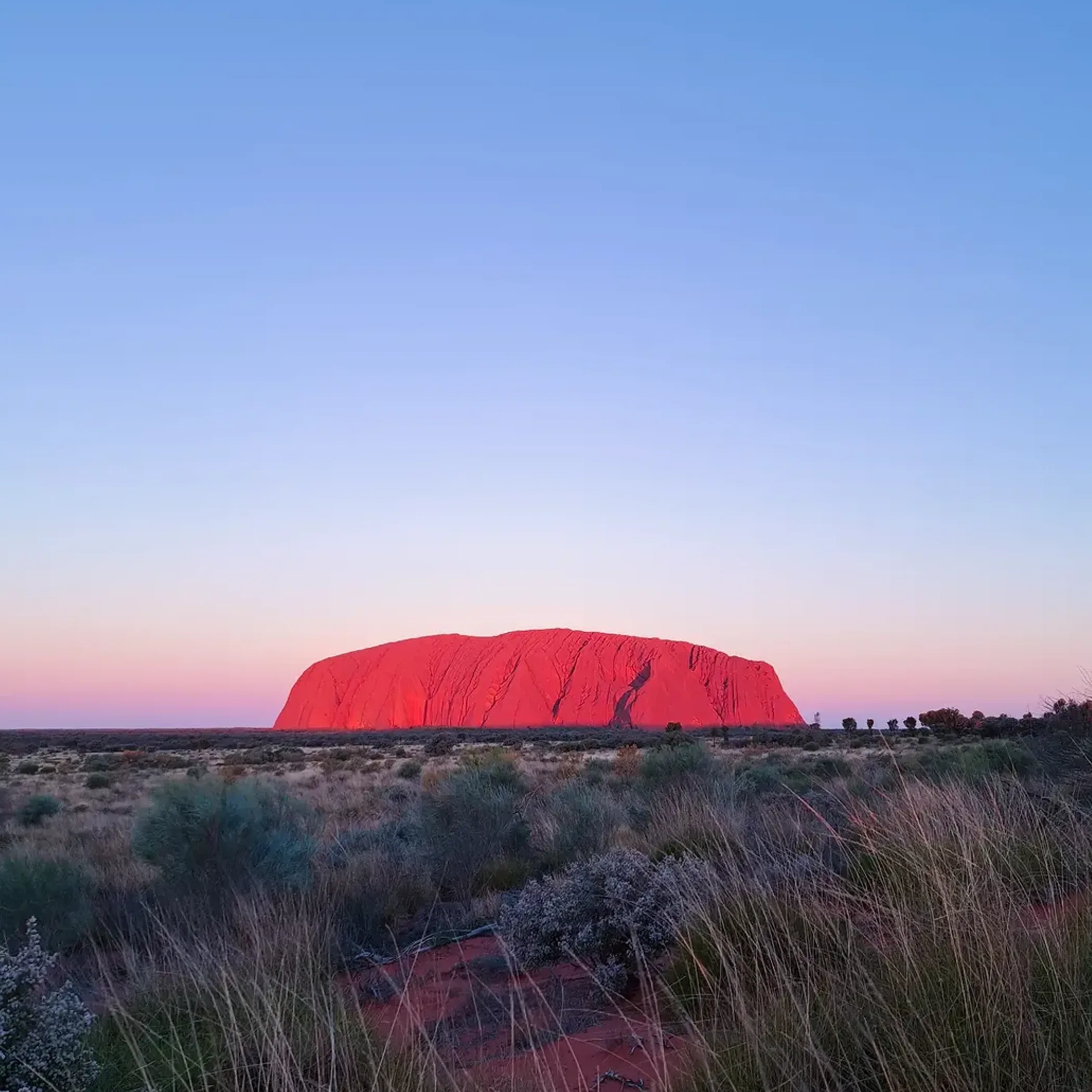
There is no point in making costly last-minute calls in Yulara over supplies or a room when they are in short supply. For Uluru seasonal planning help, book the essentials: your flights, park entry, any Field of Light or tours you have in mind and of course your accommodation.
One assumes Uluru is a single attraction and all in one place, but Uluṟu-Kata Tjuṯa National Park is 1,325 square kilometres and the main sights are a drive apart. A bit of organisation is well worth it.
Book in advance
Confirm your plans and then arrange for a Uluṟu-Kata Tjuṯa National Park Pass. The pass will cover your entry for the validity period, though do not expect it to include special events or guided tours as a matter of course. Booking conditions and prices are subject to change so have a look at the Parks Australia site before you travel.
Put in a reservation for Ayers Rock Resort in Yulara early on, particularly in the cooler months or when school holidays and big events are on. Whether you want camping or a hotel room, they do not last. Same goes for a hire car; the fleet at Connellan Airport (Ayers Rock) is not bottomless. For the latest on closures and the like, consult the official Uluṟu-Kata Tjuṯa National Park information.
Have the details to hand
It is not sensible to put your faith in a phone signal out in the bush, any more than you would put your trust in Winston the cat to put on a good welcome for guests. Reception is patchy outside Yulara, so save your car hire and tour confirmations, emergency numbers and the address of your lodging and have offline maps.
Take note of the times for sunrise and sunset, but an organised tour will mean an early start. Factor in the drive to the entrance, a toilet break, breakfast and water. When you are in a rush even a fine lookout seems like an appointment you are behind on.
What to pack
Forget the fashionable bush gear, your list for Uluru is about comfort and keeping hydrated and out of the sun. The desert does not negotiate if your hat is gone or your shoes are chafing.
Sunscreen, lip balm, sunglasses and a good broad-brimmed hat. A hydration pack or a water bottle of sufficient size for the walk ahead, to be refilled when you can. Dehydration is a quiet thing, especially when a dry breeze puts a lie to the temperature.
- Shirts and shorts or trousers of a breathable kind to cover shoulders and knees.
- For walking the base or Mala Walk and the tracks at Kata Tjuta, sturdy shoes with some grip are the way to go. You may be comfortable in sandals at the resort but the loose stones and red dust will have other ideas on a longish walk.
- Warm layers for the winter nights and the hour after sunrise when the cold comes on you, something you can shed easily rather than a bulky jumper.
- A windproof or rain jacket.
- Insect repellent and high-factor sunscreen.
- A day pack with tissues, hand sanitiser, a rubbish bag and snacks.
- A head torch and power bank.
- A face net in case of heavy flies.
A ten minute sojourn in a hotel car park was all it took for me to put my faith in one pair of shoes I was told were “comfortable”. Come afternoon the heel had been thoroughly rubbed raw as though it had taken personal umbrage. The lesson is to break in your footwear before you go and have blister kit at hand.
As for provisions, stick to things that will not be undone by the heat: crackers, some muesli or dried fruit. Leave the chocolate unless you are prepared to eat it with a spoon. And seal everything up; flies, birds and other wildlife are only too happy to make an opportunistic meal of it.
Dress For Desert Conditions
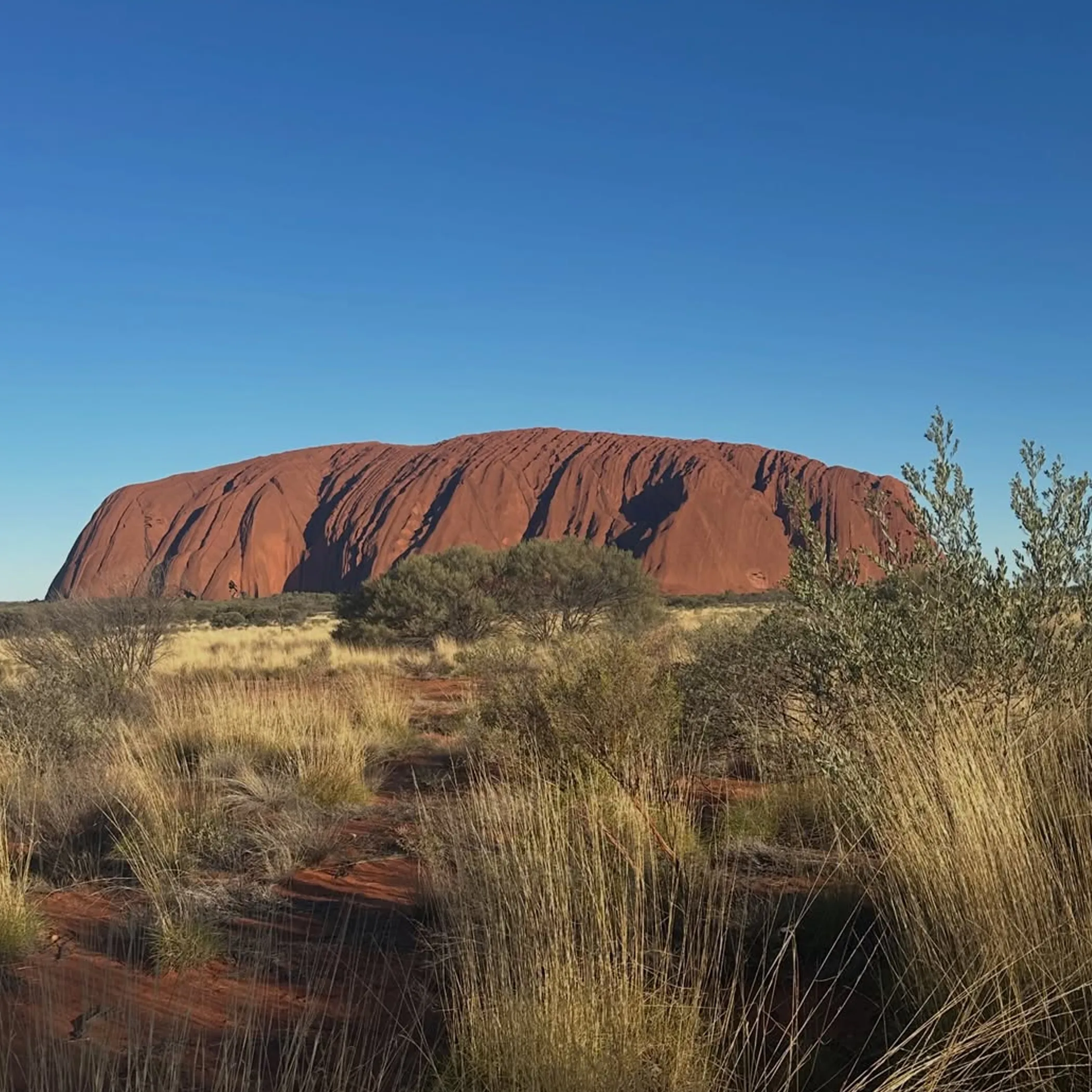
Uluru presents different requirements depending on what you are doing and the time of day. In season one can do well in light clothes with plenty of airflow but long sleeves are advisable to ward off the sun and red dust and flies.
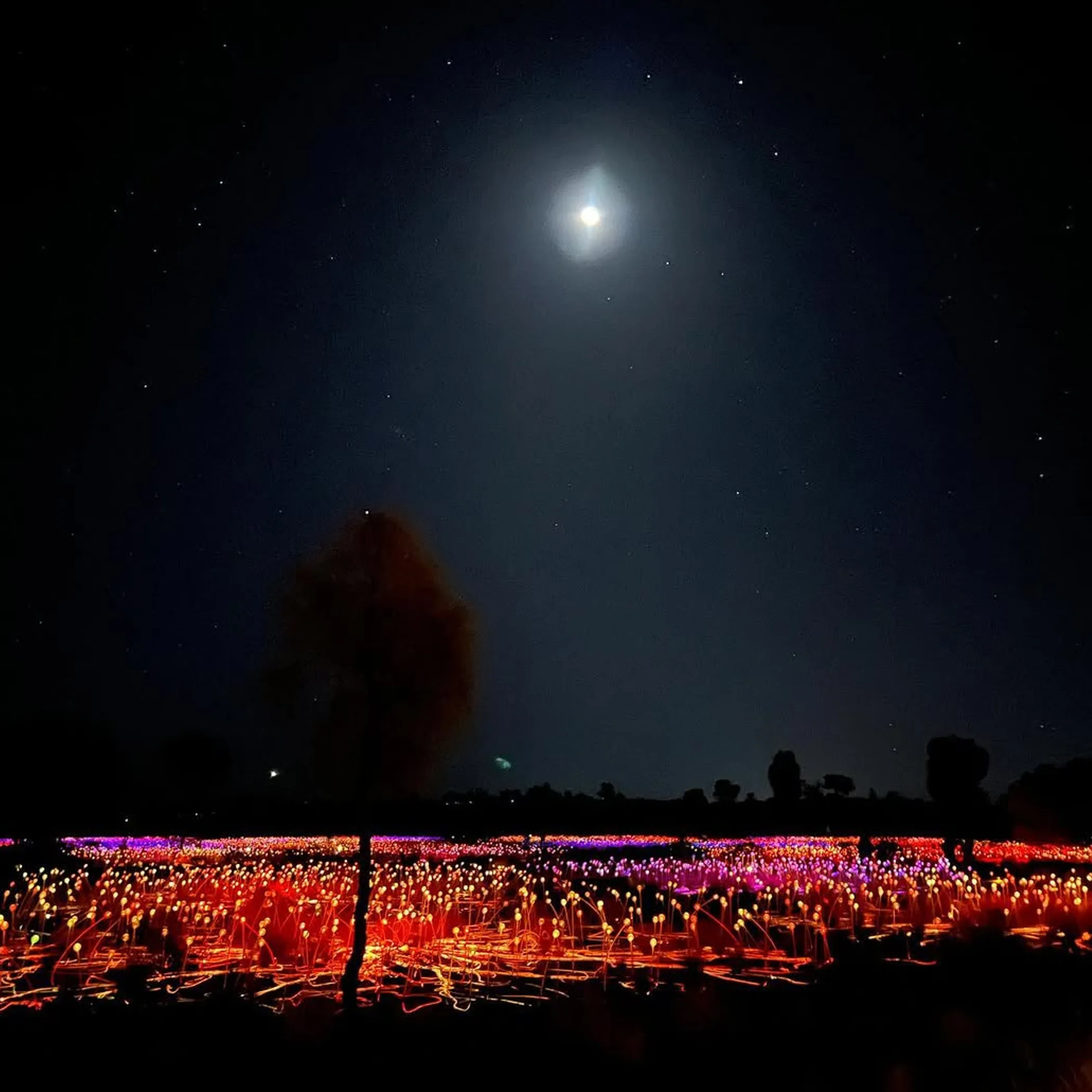
When it comes to Field of Light Uluru you will want to put on a jacket and warm layers and make sure your shoes are enclosed. It is an outdoor affair and with the sun gone the cold sets in fast. A scarf or beanie is called for in the cooler months if you are prone to feeling it.
Dealing With Red Dust
It has a way of finding its way into your socks, camera case, bags and the nooks of a hire car you did not know existed. On walking days put on something dark or easy to look after and put a spare shirt in your pack. A dry bag or plastic one will keep the shoes from contaminating your other clothes. Put on sunglasses when it is windy and resist the urge to put dusty hands to your eyes. Have a cloth or tissues for your glasses and camera. Contact lens wearers should have a pair of glasses in reserve; the dust and arid air are irksome together.
Getting To And Around Uluru
You can fly into Ayers Rock Airport, put in the drive from Alice Springs or sign up for a protracted guided tour. Flying is by far the easiest for a first timer, whereas the road trip from Alice is for those who relish the distance. From Sydney there is normally a connection to be made but flight plans are subject to change so check the routes and baggage policy when you book. Should you be driving, do not skimp on planning for fuel, water and rest stops. The Stuart and Lasseter Highways are the main arteries but they cover considerable ground.
Transport at a glance
| Option | Best For | What To Expect |
|---|---|---|
| Fly to Ayers Rock Airport | The quickest way to get there, best for a short break or initial visit. | Book your transfers and car hire in advance. |
| Drive from Alice Springs | For the flexible itinerary and the road trip. | Expect to put in some long miles and plan your timing between stops. |
| Guided tour | Some structure for the traveller. | Transport and commentary are part of the package along with certain activities, but verify what is included. |
| Local resort transfers | If you are put up in Yulara. | These are handy for the airport and a few activities. |
Parking is not hard to come by in the visitor areas but you will want to be early for the sunrise and any popular walk. Heed the signs and the marked bays. Do not leave anything of value on show in the car; a lock is no force field and common sense is still required.
Yulara is where you will find your accommodation and supplies. You will pay more than in a big city for it given the freight and the like. Make allowances in your food budget, especially for restaurant dining.
Make Time For It
Two full days is the sensible minimum on a first trip to Uluru, three is better as it gives you leeway for the weather and an unhurried evening or a longer Kata Tjuta trek. One night is enough for a quick walk and a sunrise but not much else and leaves you exposed to any delays. This is not the Red Centre to have your schedule packed flat as a pancake.
An Itinerary
One day: You would see the Cultural Centre, perhaps the Mala Walk or another short guided option, then a sunset from an approved spot and Field of Light later on.
Two days: You can fit in an early walk around Uluru, a second sunset or sunrise and some time at the Cultural Centre to take in the Anangu culture.
Three days: This opens up Kata Tjuta and a guided tour or a quieter day at the resort; pick a walk that is suited to the conditions and your fitness.
Do not try to tick off every Uluru thing to do in one hit if you are there for a day. Concentrate on the Cultural Centre and a walk and either the sunrise or the sunset. Otherwise you will be queuing and in the vehicle more than you are taking in your surroundings.
Walks To Match Your Ability
There are walks at Uluru to suit any fitness, yet one should not be under the impression that a short track is anything but an undertaking in the full sun. Make an early start and have a word with the signs to see what conditions are like before you set off; lack of sleep, wind or heat will put a premium on an otherwise easy walk.
Do not think of Kata Tjuta as an afterthought to Uluru. The Valley of the Winds Walk has its share of steep, uneven ground and can test you physically. For a beginner with limited mobility, or when it is hot, it is not to be recommended.
| Experience | Approximate Distance | Difficulty And Planning |
|---|---|---|
| Mala Walk | A short guided option | Most will find it accessible. See the daily schedule for tour times and conditions. |
| Uluru base walk | 10.6 kilometres | This is a long day. You will want to be up early and have your water, shoes and sun protection in order. |
| Kata Tjuta Valley of the Winds | Some 7.4 kilometres for the full circuit | Terrain involves climbs. Do not make of it a casual stroll. |
Bear in mind that access and distances are subject to change on account of safety, weather, maintenance or cultural reasons. There is signage and official information to consult on the day. And do not stray from the marked path or go into a closed off zone for the sake of a photograph.
Making Safe Of Desert Heat
“Drink more water” is sound advice you will hear from anyone travelling to Uluru. Put water in your pack from the outset and sip at regular intervals, making use of any shade. A hydration pack is handy on the longer walks for ease of drinking while in motion.
Should you develop a headache, feel dizzy or unwell, confused or oddly fatigued, these are the first signs of heat illness. Cease activity and get into the shade, drink slowly and if there is no improvement ask for assistance. There is no point in pressing on because of an itinerary, the rock is not going anywhere.
To Plan For Conditions
Before you go, look at the forecast and any park alerts. Access can be called off by storms, heavy rain or extreme heat and wind. In remote parts of the country conditions have a way of turning quickly and bushfire closures are possible in the hot months.
If you are on your own, let someone know your plans. Have plenty of water and fuel in the car and do not count on reception, toilets or shade being available on every track. Rangers and tour operators would tell you they have seen the same blunders made season in and out, so heed their counsel.
Animals are part of the landscape here. Put food away, be mindful of where you place your hands and feet about the rocks and shrubs and leave birds, reptiles and snakes be.
Anangu Culture
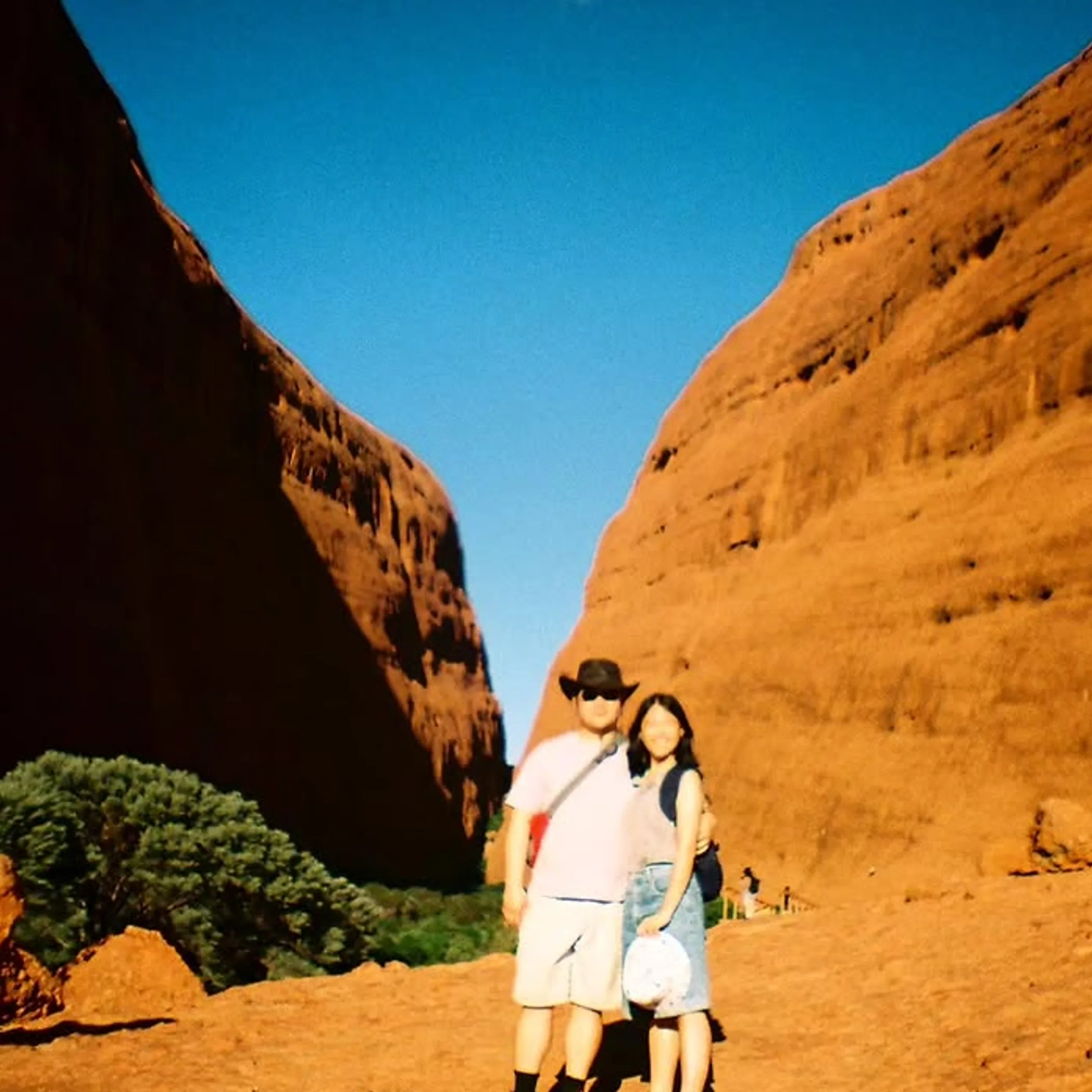
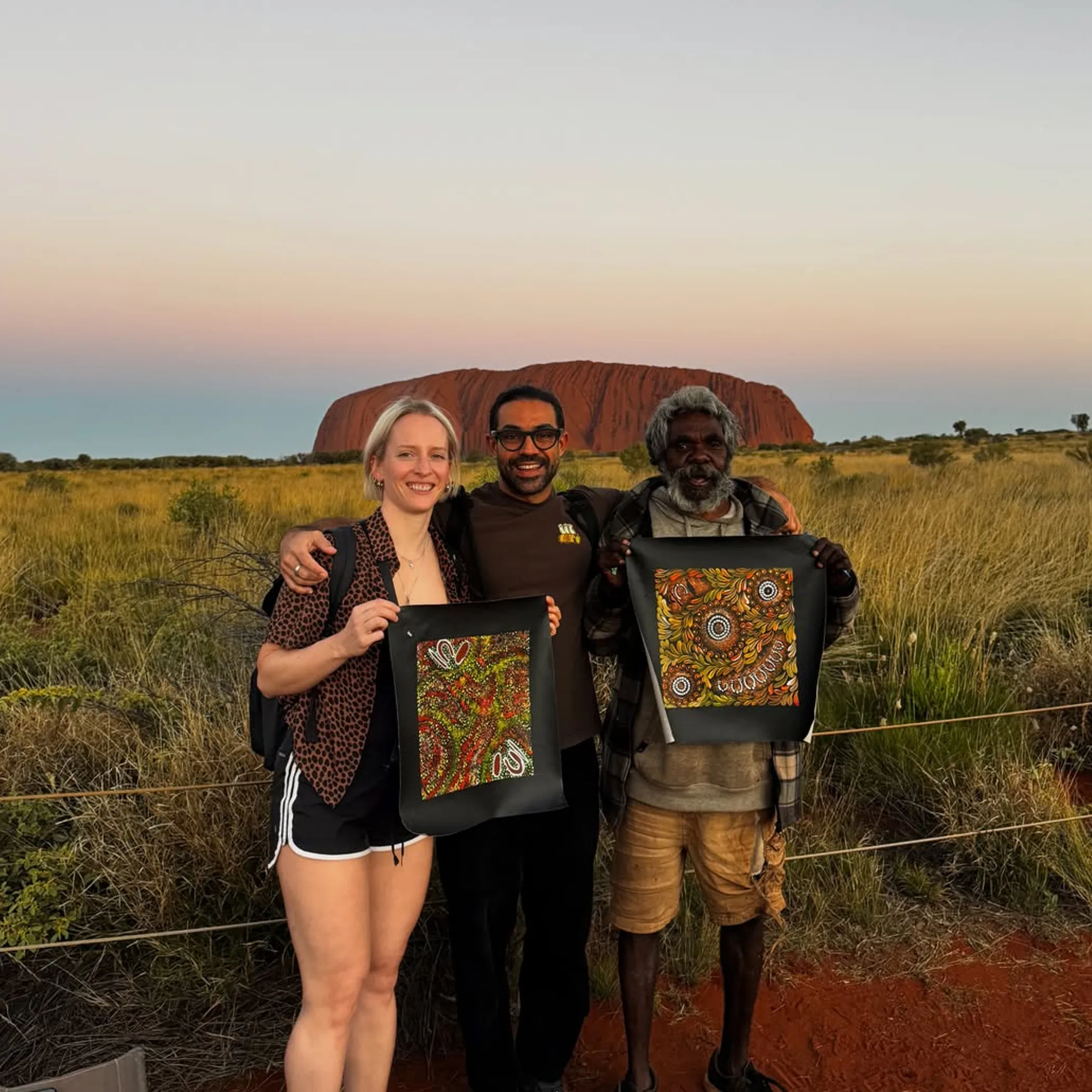
For the Anangu traditional owners Uluru is of great cultural significance and a sacred place. It is not a setting for a dare. Observe the signs and remain on the tracks and give due attention to the cultural explanations offered.
The climb on Uluru is off limits for good and one should not try to circumvent that or put others to it. The thing to do is make the most of the views and stories on offer.
Etiquette
Make an early visit to the Cultural Centre for some perspective on the park and how to conduct oneself. One should enquire before putting a camera to people or cultural activities and accede to any request not to photograph certain spots. On a guided experience keep the volume down, leave the rock art alone and take your rubbish with you. Some tours or accommodation may have restrictions on alcohol. Paying attention is all that is required for respectful travel.
Seasonal Planning
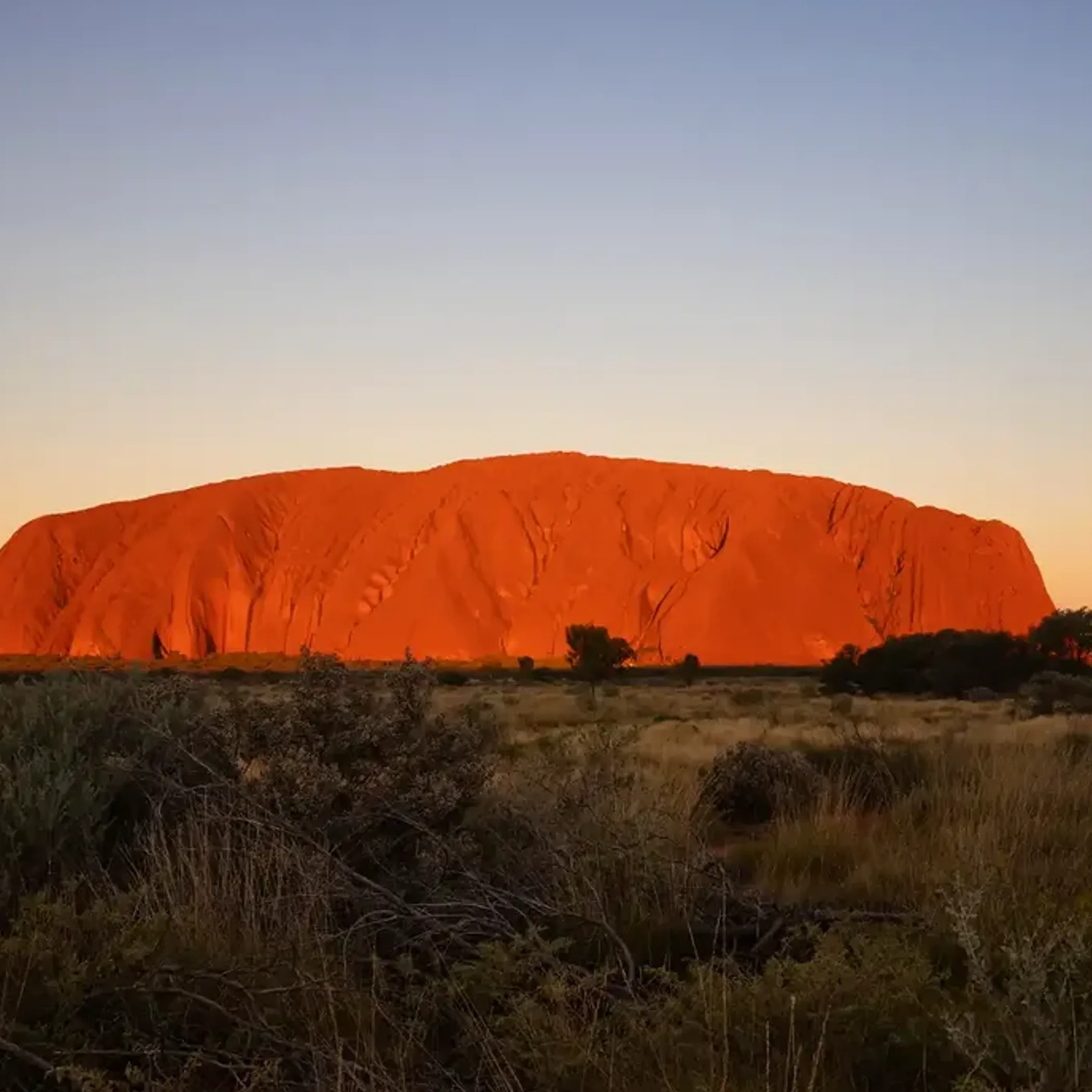
You will be more comfortable with an early walk or extended time outdoors in the cooler months, which is why many come to Uluru then. Be prepared for those popular vantage points to be taken and for higher prices; book in advance. There is no escaping the heat in summer, and one has to contend with earlier starts, shorter walking windows and the odd closure. The wet season will put on a show with its storms and skies, yet it can be an impediment to access and the tracks. Then there is the cyclone season in the north of Australia which extends from November through April; Uluru being inland does not mean you should guess at local conditions, they have to be verified.
If your itinerary is set in stone and you are making time for Alice Springs or a camping road trip as well as Uluru, some seasonal planning is a good idea. You should pack for the season but make room for a warm layer come what month it is, desert temperatures have a way of shifting quickly after dark.
Expectation Versus Reality
Expectation: The desert is hot all day, or so you would think. Reality: Outside of summer the cold sets in during the early hours and evening.
Expectation: You might imagine the attractions are all within easy reach. Reality: There is driving to be done to get from Yulara to Uluru and Kata Tjuta and the various vantage points.
Expectation: A short walk requires no preparation. Reality: Not when the ground is uneven and the sun and wind and dust are out in force; a modest track can be tiring enough.
Expectation: Photographs are the order of the day. Reality: The most rewarding experience is to put the camera down for a while, let the light do its thing over the landscape and pay attention to the cultural interpretation.
Answering Some Questions First-Timers Have
Travellers tend to ask these before they book. Our answers are straightforward, though we would have you check official sources for any closures, prices or access issues prior to leaving.
What to pack for Uluru?
Sturdy walking shoes, a hat with a broad brim, sunglasses, sunscreen and light clothes are essential. So too are snacks, insect repellent, offline maps, a power bank and a refillable water bottle or pack. If flies are about, take a face net. A small day pack and an extra shirt see to the comfort of a walking day. Do not forget a few warm layers.
How long do I need for Uluru?
Three days is ideal, two at the very least. With two you can do some walks, either on your own or with a guide, and see the Cultural Centre and Uluru. An extra day affords you the luxury of a more leisurely pace and the flexibility to deal with the weather at Field of Light or Kata Tjuta.
Is the tap water in Uluru drinkable?
At the visitor facilities and accommodation in Yulara the water is treated as a rule, but heed the advice of your accommodation and any signs. Once in the park you must carry your own water since there are no taps at every viewing area or walk. Do not count on finding potable water at a bush location or remote campsite.
Shoes for Uluru?
For the longer and rougher tracks you want a sturdy pair of walking shoes that have been broken in and have plenty of grip. An enclosed shoe will keep the red dust, stones and hot ground off your feet. Sandals will do at the resort but are not advisable for the demands of the Kata Tjuta or a full base walk.
First-time bushwalkers can handle Uluru?
Provided you hearken to the park’s advice, have your water and are up early on a track suited to you. Many a beginner will find the Mala Walk or a guided option to their liking; the Valley of the Winds and the full base of Uluru are another matter. Those with health issues or who do not take to the heat should be conservative in their choices and get professional input.
A Plan For Your Visit
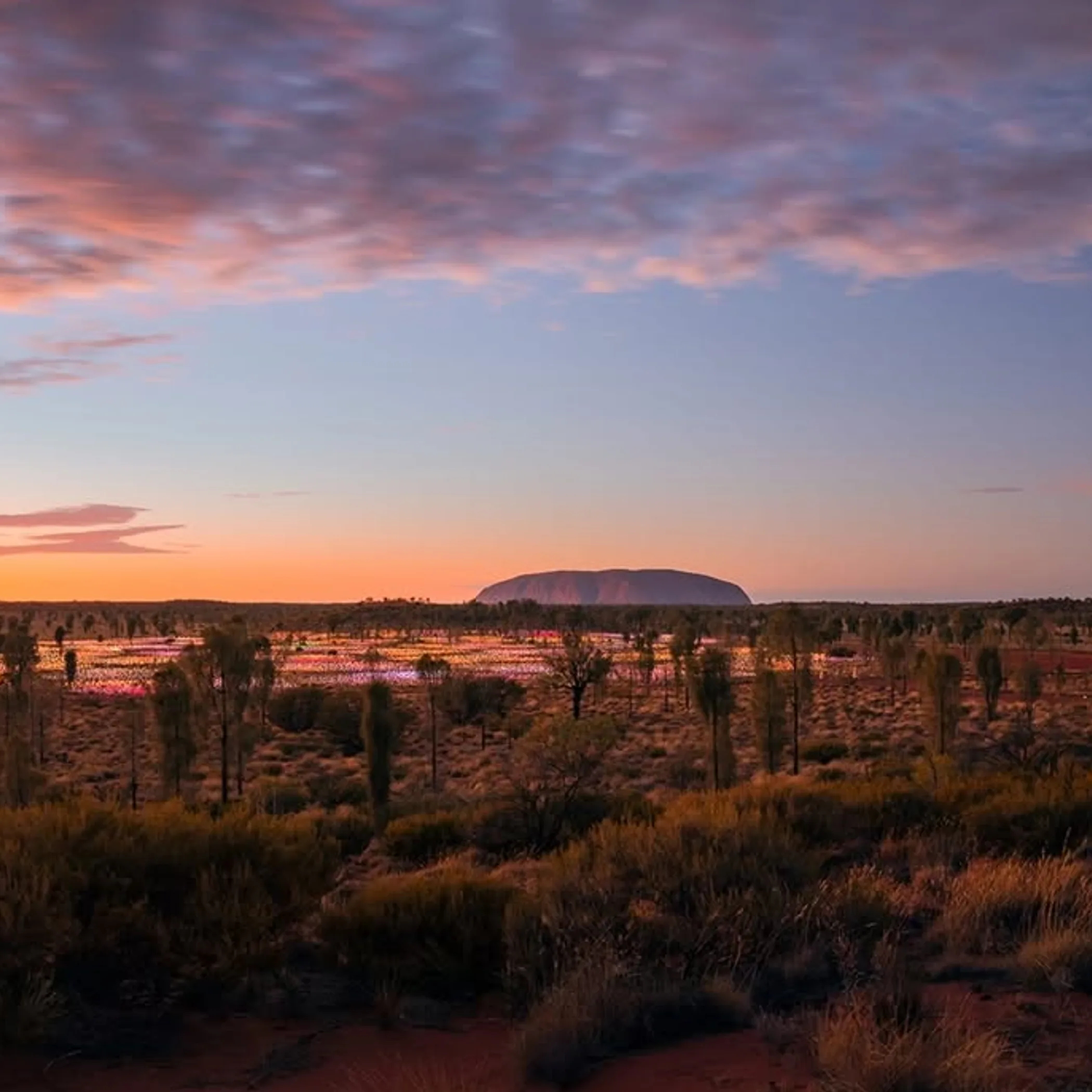
Do not go for the itinerary that is heaviest on activities. Make allowances for a good meal, to put in some time learning about the culture, for the weather to turn and to sit without qualms.
Book in advance, have your packing list cover for both extremes of temperature and put aside two or three days. Show some respect for Anangu culture and regard any walk for what it is in the desert. Get those things right and your first trip to Uluru will be safe and memorable in the way it should be.
